Newsletter
Get detailed information on India tourism & travel guide, its travel attractions like wildlife, hill stations, beaches, adventure, pilgrimage and tour packages related to them.
+91-9001996559

Due to its extensive and varied historical and cultural heritage, India makes an excellent destination for heritage excursions. The Taj Mahal, one of the world's seven wonders, is only one of the many historical landmarks in India that draw tourists from all over the world. Utilise our top heritage tour packages to learn about India's most important historical and cultural sites. We offer the finest services in the history of tours and ensure a unique experience by setting up knowledgeable tour guides, lodging, and transportation.
Heritage tours offer an extraordinary opportunity to embark on a captivating journey through time, immersing ourselves in the richness of history and culture. These tours go beyond traditional sightseeing, allowing us to connect with the past and better understand our shared heritage. By engaging in heritage tours, we become explorers of the human story, uncovering the legacies left behind by civilizations that have shaped our present world. Every destination holds tales of triumphs, struggles, and cultural marvels, from ancient archaeological sites to majestic landmarks.
Due to its extensive and diverse history and culture, India is an excellent place for heritage excursions. Numerous historical sites in India, including the Taj Mahal, one of the world's seven wonders, are visited by tourists worldwide. Explore India's most important historical and cultural sites with our top heritage tour packages. By setting up knowledgeable tour guides, hotels, and transportation, we offer the best of our services for history tours and ensure a unique experience.
Here are some of the top heritage destinations in India that are a must-visit for history enthusiasts and culture aficionados:

The Taj Mahal in Agra is an architectural masterpiece that stands as a symbol of eternal love. This iconic monument is one of the Seven Wonders of the World and a UNESCO World Heritage Site. Built by Emperor Shah Jahan in the 17th century in memory of his beloved wife, Mumtaz Mahal, the Taj Mahal is renowned for its breathtaking beauty and intricate craftsmanship. The Taj Mahal is made entirely of white marble, adorned with delicate carvings and exquisite inlay work. The principal mausoleum is flanked by four minarets, creating a symmetrical and harmonious design. The intricate patterns, including floral motifs and calligraphy, are a testament to the architectural brilliance of the Mughal era. Visiting the Taj Mahal is a truly awe-inspiring experience. As you enter the complex through the grand gateway, known as the Darwaza-i-Rauza, the sight of the Taj Mahal in the distance takes your breath away. The sprawling gardens, reflecting pools, and the serene Yamuna River in the backdrop add to the enchanting ambience. The Taj Mahal is incredibly captivating during sunrise and sunset when the changing hues of the sky cast a magical glow upon its pristine white facade. The ethereal beauty of the Taj Mahal has made it an eternal symbol of love and a cherished destination for travellers worldwide.
Best Time To Visit: October to March

Jaipur, the capital city of Rajasthan in India, is a mesmerizing destination that transports visitors to a world of vibrant colours, regal architecture, and rich cultural heritage. Known as the Pink City due to the distinctive pink hue of its buildings, Jaipur exudes a royal charm that reflects its glorious past. The city is a captivating blend of history and modernity, where magnificent palaces, bustling bazaars, and enchanting forts coexist with bustling streets and contemporary amenities. From the grandeur of the City Palace and the intricate designs of Hawa Mahal to the opulence of Amber Fort and the bustling markets filled with traditional textiles and jewellery, Jaipur offers a feast for the senses. The city's rich traditions come alive through vibrant festivals, mesmerizing folk performances, and delectable Rajasthani cuisine. Jaipur is a destination that truly captivates visitors, immersing them in a world of royal splendour, cultural vibrancy, and unforgettable experiences.
Best Time To Visit: October to March

Varanasi, located in Uttar Pradesh in India, is a city of profound spirituality and deep cultural significance. Also known as Kashi and Banaras, it is one of the oldest living cities in the world, with a history stretching over 3,000 years. Varanasi is on the banks of the sacred Ganges River and is revered as a holy pilgrimage site for Hindus. The city is well known for its ghats, which are steps that descend to the river. These ghats serve as important gathering places for religious ceremonies, rituals, and daily rituals such as bathing, meditation, and cremation. The most famous of these ghats are the Dashashwamedh Ghat, where the Ganga Aarti, a spectacular ritual worshipping the river, takes place every evening. Seeing hundreds of devotees, priests, and glowing lamps creates an awe-inspiring and spiritually uplifting atmosphere. Varanasi is home to numerous ancient temples with significance and architectural splendour. The Kashi Vishwanath Temple, dedicated to Lord Shiva, is one of the holiest Hindu temples and attracts devotees from all over the country. The Sankat Mochan Hanuman Temple, the Durga Temple, and the Tulsi Manas Temple are prominent places of worship that offer a glimpse into the city's religious and cultural fabric.
Best Time To Visit: October to March

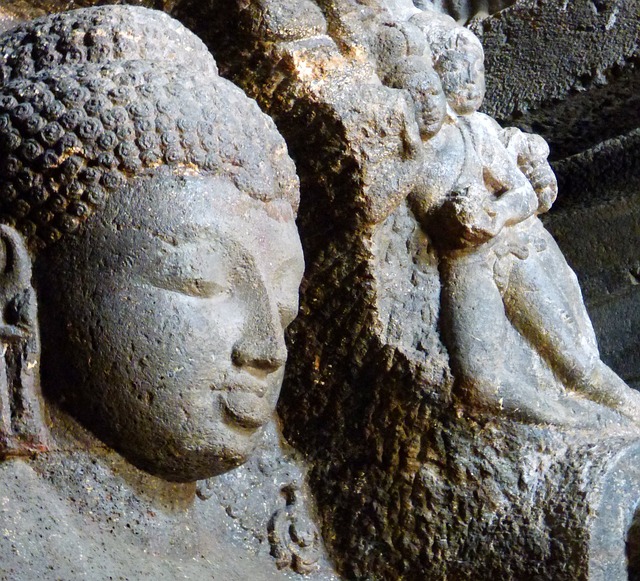
The Ellora and Ajanta Caves, located in Maharashtra, India, are captivating UNESCO World Heritage Sites that showcase the magnificence of ancient Indian art and architecture. These caves are a testament to the region's rich cultural heritage and artistic prowess. The Ajanta Caves, from the 2nd century BCE to the 6th century CE, is a series of 30 rock-cut caves serving as a Buddhist art treasure trove. These caves are adorned with exquisite murals and sculptures depicting the life and teachings of Lord Buddha. The intricate detailing and vibrant colours of the paintings are a sight to behold, with themes ranging from Jataka tales to scenes from the life of Buddha. On the other hand, the Ellora Caves, from the 6th to the 10th century CE, showcase a remarkable fusion of Buddhist, Hindu, and Jain architecture. The complex comprises 34 caves featuring elaborate carvings, sculptures, and intricately designed temples. The highlight of Ellora is the Kailash Temple, a masterpiece carved out of a single rock, representing Mount Kailash, the abode of Lord Shiva. The grandeur and sheer scale of this temple leave visitors awe-struck. The Ajanta and Ellora Caves offer a unique glimpse into India's ancient past and provide insight into the country's religious and artistic heritage. Exploring these caves is like stepping into a different world where spirituality, craftsmanship, and devotion converge.
Best Time To Visit: November to February

Khajuraho, located in Madhya Pradesh, India, is a captivating destination renowned for its stunning group of ancient temples. These temples, built between the 9th and 12th centuries, are famous for their intricate carvings and architectural splendour, making Khajuraho a UNESCO World Heritage Site. The temples of Khajuraho are evidence of the Chandela dynasty's artistic brilliance. These magnificent structures showcase a fusion of architectural styles, including Nagara and Dravidian, with exquisite detailing and intricate stone carvings. The sculptures depict various subjects, from gods and goddesses to celestial beings, animals, and human figures, depicting various aspects of life, love, and spirituality. One of the remarkable aspects of the Khajuraho temples is the explicit depiction of sensuality and eroticism. Though a small portion of the artwork, the sculptures have gained considerable attention and intrigue. They represent the celebration of human emotions and desires, portraying love, passion, and the pursuit of divine union. Beyond the architectural wonders, Khajuraho also offers a serene and picturesque setting.
Best Time To Visit: October to February

Hampi, located in Karnataka, India, is an enchanting historical and archaeological site that transports visitors back in time. Once the capital of the mighty Vijayanagara Empire, Hampi now stands as a captivating open-air museum showcasing the remnants of a glorious past. Spread across a vast area, Hampi is a UNESCO World Heritage Site renowned for its majestic ruins, ancient temples, and stunning landscapes. The site has over 1,600 surviving structures, including grand temples, palaces, pavilions, and intricate stone carvings. The architectural marvels of Hampi reflect the grandeur and opulence of the Vijayanagara Empire, which thrived during the 14th to 16th centuries. Exploring the ruins of Hampi is a journey of discovery, with each structure holding its own story and significance. The Virupaksha Temple, dedicated to Lord Shiva, is a prominent landmark in Hampi. This temple, dating back to the 7th century, features intricate carvings, a towering gopuram (gateway), and a vibrant atmosphere of devotion. It continues to be a significant place of worship and attracts pilgrims from far and wide.
Best Time To Visit: October to February

Mahabalipuram, located in the southern state of Tamil Nadu, India, is a mesmerizing coastal town steeped in history and renowned for its magnificent rock-cut monuments and ancient temples. Also known as Mamallapuram, this UNESCO World Heritage Site offers a fascinating glimpse into the region's rich cultural heritage. The town is adorned with numerous architectural wonders, showcasing the artistic brilliance of the Pallava dynasty that ruled the region during the 7th and 8th centuries. The iconic Shore Temple is a testament to their architectural prowess, with its exquisite carvings and intricate details. This temple, dedicated to Lord Shiva, is beautifully situated on the shores of the Bay of Bengal, adding to its charm and allure. Another remarkable attraction in Mahabalipuram is the group of monolithic rock-cut temples and sculptures. The Arjuna's Penance, a massive relief sculpture carved on a gigantic rock's face, depicts Hindu mythology scenes and serves as a magnificent masterpiece. The Five Rathas, named after the Pandava brothers from the epic Mahabharata, is a collection of monolithic temples representing different architectural styles and are a delight to explore. Mahabalipuram is not only known for its architectural wonders but also for its beautiful beaches.
Best Time To Visit: November to February

Delhi, the bustling capital city of India, is a vibrant metropolis that seamlessly blends a rich historical legacy with a modern cosmopolitan atmosphere. With a history dating back centuries, Delhi has witnessed the rise and fall of empires, leaving behind a treasure trove of architectural wonders and cultural heritage. The city is a delightful mix of old and new, with its historical landmarks and bustling markets coexisting alongside modern skyscrapers and commercial districts. From the iconic Red Fort, a UNESCO World Heritage Site that served as the seat of Mughal power, to the magnificent Jama Masjid, one of the largest mosques in India, Delhi's architectural landmarks offer a glimpse into its illustrious past. Delhi is a melting pot of cultures, with a rich tapestry of traditions, languages, and cuisines. Exploring the narrow lanes of Old Delhi, one can experience the vibrant street life, indulge in delicious street food, and marvel at the intricate architecture of the havelis (traditional mansions). From the bustling markets of Chandni Chowk to the serene gardens of Lodi Gardens, Delhi offers a myriad of experiences for every visitor. The city's calendar is marked with colourful festivals and events, such as Diwali, Holi, and the International Kite Festival, which showcase its residents' cultural vibrancy and diversity. Art exhibitions, music concerts, and dance performances further add to the city's cultural tapestry, offering a wealth of entertainment options for enthusiasts.
Best Time To Visit: October to March

Mysore, located in the southern state of Karnataka, India, is a captivating destination that exudes grandeur, cultural richness, and a royal legacy. Known as the "City of Palaces," Mysore is a treasure trove of architectural wonders, vibrant festivals, and a thriving art and craft heritage. At the heart of Mysore stands the magnificent Mysore Palace, an architectural marvel that epitomizes the city's regal past. The palace is a visual delight, adorned with intricate carvings, ornate arches, and majestic domes. Illuminated during special occasions, it transforms into a dazzling spectacle that attracts visitors from far and wide. Another iconic landmark in Mysore is the Chamundeshwari Temple atop the Chamundi Hills. Dedicated to the Hindu goddess Chamundeshwari, the temple offers panoramic city views and serves as a spiritual haven for devotees. The climb up the hill, adorned with statues and mythological references, adds to the charm of the experience. Mysore is also famous for its traditional silk sarees, known as Mysore Silk, woven with intricate designs and vibrant colours. The Devaraja Market is a bustling hub where you can immerse yourself in the local bazaars' vibrant sights, sounds, and aromas and shop for handicrafts, spices, and traditional artefacts. The city is deeply rooted in its cultural heritage, evident in the grand celebration of the Dasara festival.
Best Time To Visit: October and November

Amritsar, situated in Punjab, India, is a city with immense historical and cultural significance. Known for its spiritual aura and iconic landmarks, Amritsar is a place that deeply resonates with the Sikh community and welcomes visitors with open arms. The magnificent Golden Temple, also known as Harmandir Sahib, is the city's most revered attraction. It is the holiest shrine of Sikhism and a symbol of peace, equality, and spiritual devotion. The temple's stunning architecture, with its gilded dome and pristine Sarovar (sacred pool), is a sight to behold. Visitors can partake in the community kitchen, known as langar, where volunteers serve free meals to thousands of people daily, regardless of their caste, creed, or social status. Amritsar is also home to the historic Jallianwala Bagh, a poignant reminder of India's struggle for independence. This public garden is a solemn memorial commemorating the massacre in 1919 when British troops opened fire on a peaceful gathering. Today, the site serves as a symbol of sacrifice and a testament to the resilience of the Indian people. Amritsar is renowned for its delectable Punjabi cuisine, known for its rich flavours and generous use of spices.
Our experts would love to create a package just for you!
Fill in your requirements here
Our experts would love to create a package just for you!
Fill in your requirements here